

Original article: Comunidad Colla Pai Ote acusa “apuro ilegal” del Gobierno por Parque Nacional Maricunga y exige freno inmediato
Vega Redonda, Atacama Region. The Colla Pai Ote Indigenous Community has raised serious concerns and lodged a direct complaint against the Ministry of the Environment and the Sustainability Ministers’ Council: the government is allegedly attempting to approve the Maricunga National Park while a legal case is still pending in the Supreme Court, which—according to the community—would be illegal, arbitrary, and undermining the rule of law.
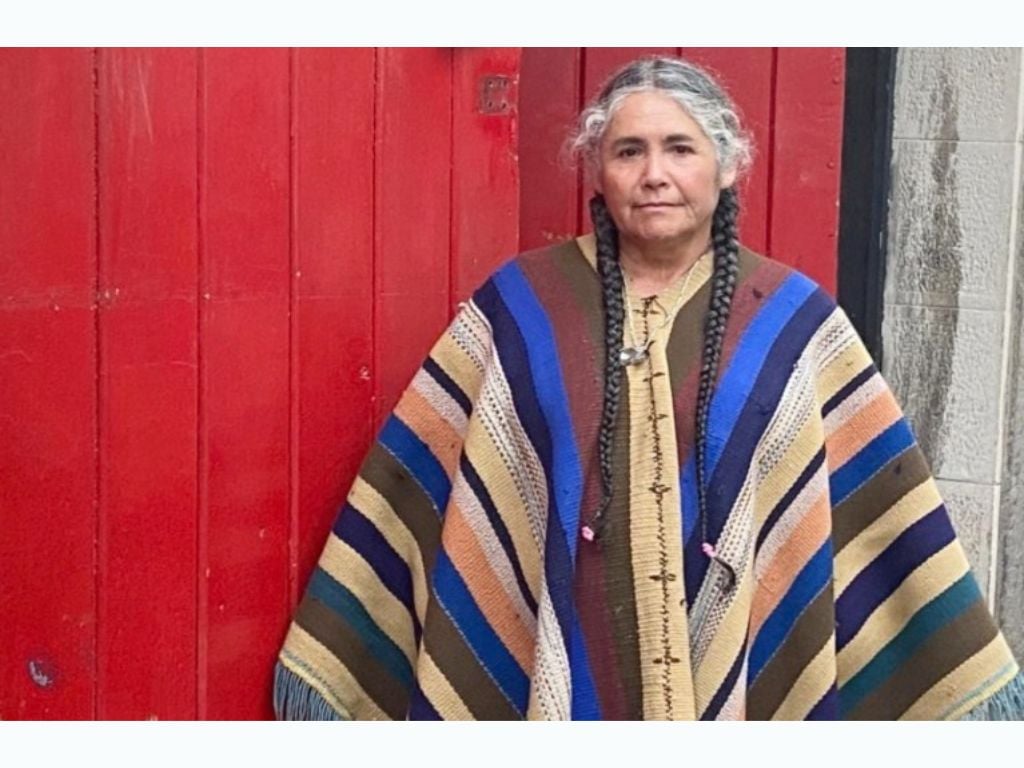
“They cannot lock down the territory while the Supreme Court is still deciding whether the indigenous consultation was legal. That’s like passing judgment before the trial,” stated the community’s president, Ercilia Araya, in a formal letter sent to Minister María Heloísa Rojas Corradi.
The anger is palpable. The Ministers’ Council has a critical session scheduled for February 12, where the park could be approved despite the pending case number 2303-2026 before the nation’s highest court. For Pai Ote, proceeding now would be “like sealing an administrative tombstone over our living culture”.
“Phantom Communities” and Questioned Indigenous Consultation
One of the community’s most serious allegations targets the inclusion of indigenous groups without a real presence in the territory, which the Colla community describes as “paper communities.”
To demonstrate this, Pai Ote requested official information from various state agencies. The results were striking:
• SAG: zero records of livestock or transhumance.
• INDAP: no productive programs or territorial activities.
• DGA: no water rights applications.
• National Property: no concessions or public land occupation.
• CONAF: acknowledges that ancestral knowledge of the territory belongs to historic highland Colla communities, not to the urban organizations included in the consultation.
“They claim to have territory, but they have no animals, no water, no land, and no memory of the place. What kind of ancestry are we discussing?” questions the community.
Spirituality Under Permission and Sacred Fire Prohibited
The complaint goes beyond administrative issues. According to Pai Ote, the creation of the Maricunga Park criminalizes essential ancestral practices, such as transhumance, the gathering of medicinal herbs, and religious ceremonies that involve the use of sacred fire.
“Our spirituality is not tourism or spectacle; it cannot depend on the permission of a bureaucrat,” they assert. For the community, subjecting their rituals to bureaucratic authorizations violates religious freedom and international human rights treaties.
“Progressive Government, Authoritarian Practice”
The tone of the statement is direct and unambiguous. Pai Ote accuses a profound contradiction between the government’s human rights discourse and its actions in Maricunga.
“They claim to respect indigenous people, yet they act as if the Supreme Court does not exist. That is not progressivism; it is administrative authoritarianism,” they assert.
The community warns that if the process continues, they will escalate their claims to international bodies. “They will not erase us by decree,” they emphasize.
What the Pai Ote Community Demands
Specifically, the community demands:
1. Immediate suspension of the expansion procedure for Maricunga National Park.
2. No approvals of any decisions while the case is pending in the Supreme Court.
3. Formal acknowledgment of the community’s opposition.
4. Information on when and how this submission will be addressed by the Ministers’ Council.
“This is not about being against nature. This is about opposing the use of conservation as an excuse to erase those who have cared for the territory for generations,” concludes Ercilia Araya.
